Be a Star at Writing Science Fiction Books

Bring your science fiction book to life in the minds of readers and keep them coming back for more! Sci-Fi is a fun and creative genre to both read and write, and one where you can really get stuck in expressing your own ideas, thoughts, and clever quirks. It may seem like a crowded industry and one that often sees ideas duplicated, but it need not be this way. If you’d like to start writing sci-fi, read on for our top tips.

Ask yourself questions
When you’ve got a decent plotline, concept, or character, investigate it more thoroughly by asking yourself questions about it. Consider how readers would feel about it in line with society’s current expectations, technological limitations, and norms. A character may not be liked, a concept may seem entirely radical, and a plotline may be unlikely in 2018 on planet Earth… but does that matter? Challenge yourself with interrogation and your story shall soon develop. “What if…” can stimulate endless bounds of imagination and opportunity for your book.

Explain
Remember: your ideas are yours, and they’ll never appear in someone else’s head the way they do in yours. Subtleties and character behavior needs to be explained and should be done so in a way that gives some back-story and sufficient reasoning, but doesn’t patronize – science fiction readers are far from naïve or unimaginative, but they will need to understand why things happen in a certain way.

Plan an ending… for now
Even if you’re intending to write numerous novels, an end must be in sight in order for you to tie all of your storylines in to a solid conclusion. An idea for an ending doesn’t need to limit you (who knows what you write once your initial series has been completed?), but will help keep you on track and focused without deviating too much, or introducing unnecessary or overly-complicated tangents.

Separate out your stories
Sci-Fi often makes up a series rather than a single book, and that can be bit overwhelming. If so, while keeping the bigger picture in mind, just focus on one book at a time. It’s your story, and you can do, or not do, whatever you want with it. If you’d like your audience to be able to read just one book in the series without needing the others, top and tail and explain it well enough so that they can. And don’t leave a cliffhanger. Readers often dislike cliffhangers – they find them annoying and manipulative, as though the author is just trying to make money. And, it can be especially aggravating if the next book is still a year away from being finished and published. So, look after your readers and don’t leave them hanging.

Continue to read and watch Sci-Fi
If you’re writing within this genre, you’re most likely a fan of it already. Don’t stop indulging your interest in it by limiting your intake of books, films, games, podcasts, and TV while you’re writing. Instead, keep it up and gather inspiration from its continued presence in your life. You still need to set aside ample time for your own writing, and you don’t want to draw too heavily on someone else’s work, but don’t withdraw entirely. There’s always more to learn, more to see, and more to experience in science fiction, so let it continue to spark new thoughts and feelings and use those in your books.


How to Write a Business Book

Learn to become a recognized authority in your industry with a well-written business book. Done well, you can quickly build cult-like fame amongst your peers or even be credited with changing the way business is done. Titles can be responsible for shaping or breaking entrepreneurs’ strategies and are often referred to in history to illustrate the development and journeys of business practice.
Do you have what it takes to write a successful business book? If you keep in mind the following, you may well…

Remember: You don’t need to be an author to write in business
By its nature, most business writers aren’t full-time authors, and many aren’t even hobby writers. Instead, this genre is primarily penned by those in high ranking or leadership positions in the related industry, as well as entrepreneurs who have tried, failed, or both, to broaden a business proposition or sector. If you’re not a ‘writer’ per se, fear not: there’s help out there and editors available to keep you on the right track toward producing a piece of writing that will be well-received and effective.

Be prepared to self-promote… a LOT
You’ll need to do a lot of self-promotion, although don’t be shy about contacting specialists in book marketing for extra help. Get your social media profile ship shape, start attending relevant industry events, and gift copies of your book to influencers in the sector. The holy grail of business books is word-of-mouth promotion and once your title starts to be recognised by those ‘in the know’ on your chosen topic, the possibilities are endless.

Make sure you really care about the topic at hand
Business is something most spend a set amount of hours a day working on, and then turn away back to their personal lives when that time is up. Finding the motivation to write about business outside of work can be difficult, particularly when you have numerous other priorities and responsibilities. In order to not get swept up in a fog of procrastination and disinterest, be sure before you embark on your project that you’re really passionate about the topic you’ll be writing on. If you need to narrow down your focus and can do so without compromising your book’s purpose, do so.

Ensure your book has a clear USP
Some sectors and topics attract more books than others, so it’s vital that your writing has a USP (unique selling point). It should make a point, hold a view, or suggest an approach that is different to others expressed in existing relevant business books available. Whilst you shouldn’t opt for controversy for controversy’s sake, you do need to be bold enough to be different, and to articulate this difference well.
Business writing is an exceedingly ‘open’ genre and one that, if you care enough, you can make real progress within, developing both your writing career and any other profession you hold. Getting started can be tricky, but remain open-minded and focused and you’ll soon be on the path to success.

Tips on Writing Children’s Books

Inspire a generation of readers with your book and learn how to provide children with wonderful memories to last a lifetime.

Writing novels for children allows your creativity and raw imagination to shine through in ways that other genres just can’t match. It’s an exciting, limitless, and an enjoyable sector of fiction that, once you start writing, you won’t want to stop. Whether this is your first foray, or you’re an experienced author, these tips will help you get your creative juices flowing from chapter to chapter and title to title.

Keep in contact with those working in the genre
Children’s libraries are a fantastic place to meet those working with children’s fiction on a daily basis. Speak to library workers and keep abreast of the newest titles, latest favorites, and workshops and reading clubs that you can attend. If there are events at the library, get involved and offer to read and help out – these are a great way to gauge audience’s likes and dislikes, as well as their appetite for further fiction.

Building contacts here and with other writers means that when the time comes for your novel or picture book to be published, you’ll being in a good place to get a foot up when it comes to marketing and promotion.

Re-visit your childhood
Adults often struggle with the concepts and creativity behind children’s books because, well, we’re just not open-minded enough! Children’s fiction is a genre where anything can happen, because the imaginations of young ones are so vast and varied that they’re nearly impossible to tame.

Yes, now you’re a responsible adult you don’t think in the same way you did when you were younger, but that doesn’t mean you can’t re-visit it. Dig up your old photos and home videos and visit old haunts where you used to play or holiday if you can. Jogging the memory to bring back old thoughts, hopes and visuals can help open your mind and contribute to really getting back into the mindset of a child. Plus, it’s fun!

Consider joining a club of professionals
There are lots of resources both online and off for children’s fiction writers, including professional societies and interest groups. Such facilities can be invaluable for you to bounce ideas off of others, learn best practice for the industry, and share tips on self-publishing. You don’t need to be a professional to join nor do you need any experience, so have a search for resources and get involved with those that interest you. You can learn a lot from others – even if it’s just what ‘not’ to do – so sign up and start seeking stories and sharing skills!

Writing children’s fiction books allows you to break free from conventional genre boundaries and to really exercise your creative muscles. Be warned though, this genre can quickly affect your perspective and thinking, and you’ll soon be living and breathing a colourful, exciting, bold new world for real!

Writer’s ruin; How to Avoid Procrastination

Procrastination is a human habit and one that all of us fall prey to at one point in time. However, when procrastination kicks in and puts you off your writing, you can quickly find yourself never finishing that book. This is not a situation you should let yourself be in, particularly when a bestseller could be at the end of your fingertips, so it’s best to avoid it completely and discipline yourself into more productive habits. How? We have some suggestions…

Plan ahead
Reverting back to a school-style type study plan can work wonders for your writing; as long as you’re determined to stick to it. Start with a deadline and commit to it. From there, allocate out time on a regular basis to sit down, research (if required) and write. Make sure the time you set aside is protected and you’re free from distractions during it. This will give you the best possible chance at really getting into your book.

Writing a novel in workable chunks
Whether or not you choose to create a work plan, breaking up your writing into small, manageable pieces (perhaps per chapter) and applying yourself to each bit-by-bit makes the overall task seem more workable. This will make it easier to set goals throughout the project and to motivate yourself to get through each piece. Splitting your work into smaller sections will make finishing your book more achievable; in parts and overall.

Discard your fear
A great of deal of writer’s procrastination can be attributed to the fear of failure. It’s natural to feel apprehensive before writing a book, but you shouldn’t allow your trepidation to stop you starting or progressing. Give yourself time to be anxious and to mentally process it, then push it out of your mind. You simply can’t permit fear to take up any more of your time.

Make yourself accountable
If you’re a serial procrastinator and find that you largely get away with it scot-free, it’s time to allocate some accountability. Choose a confidante and have them hold you to account with pre-determined progress goals. This may be rewarding you, checking in on progress and giving you a good nag or sometimes, forcing you to sit down and focus. Make sure the person in question won’t go too easy on you though – or you may never get anything done!
Once you’ve found a way that helps you measurably decrease your procrastination time and increase your productivity, stick to it! The ultimate goal is to find enough time to fit in even more writing and once you’ve managed that, the writing world is your oyster.

The Best Advice for Non-Fiction Writers

One of the biggest changes for writers of non-fiction books has been the dawn of the internet. No longer are writers restricted to academia or textbooks for research, and they can often find or obtain information on their chosen subject much more quickly and easily. Non-fiction writers can now often write and publish their book in a similar timeframe to that of fiction writers. That said, non-fiction writers need to conjure the imaginations of readers just as much as their fiction colleagues in order to keep readers… well… reading. If you’ve hit a creative block and need some intervention to aid your cause, look no further for some great advice to help you achieve a flowing pen and tapping keys once again.

If you’ve got an Editor, USE THEM!
Not all writers have the luxury of an editor to read through, correct minor errors, and ensure their work is ‘on message.’ But, if you do, use them. A fresh pair of eyes can be invaluable, and they can help you to catch inconsistencies you may have missed, or re-phrase things to be more easily absorbed by your audience.

Structure your work
If you’re struggling with your manuscript and it feels a bit chaotic or confusing, outlining your structure first can really help. An introduction, a body, and a conclusion gives you something to start from. Fill in the different sections from there, leading from one subject on to a related subject. Make the end of the previous chapter or section transition to the next. Check your timeline and flow. Looking over your timeline should tell you all of the most important elements in your book.

Know Who and What you’re writing for
This should be the first question you ask yourself: who is the audience and what is this book aiming to do? The audience will determine your tone of voice, level of information, and language style. And the aim of the book should influence the way in which it’s written. Sales books need to be persuasive, informational guides need to be clear and full of examples, and biographies should draw you into the story and keep you interested in the person.

Show, and hold authority…
When writing non-fiction, the author is assumed to be an expert on the subject that they’re covering, even if that may be a slight stretch of the truth. Therefore, it’s important to be positive and assert your authority throughout your writing. The writer can pose a theory, idea, or suggestions, but don’t be tentative. Limit the use of ‘maybe’, ‘I think’ and ‘in my opinion’ as that can make your book feel wishy-washy. Don’t make things up or write nonsense, but be direct and keep your language solid.
…and know the subject you’re being authoritative on
You may not be the world’s foremost expert on your book subject, but that doesn’t mean you shouldn’t know it well. Do your research and make sure that your sources are good reputable ones. If someone else is carrying out research for you, make sure it’s comprehensive and check a few pieces before you repeat it.
Whether it’s a travel guide, teaching manual, cookbook, or self-help book, your non-fiction book can inform and entertain your readers. And that’s what it’s all about.

Advice on Writing a Romantic Fiction Book

Far from the stereotype of a trashy easy read on a sunbed, romance is a rich and diverse genre with a wide-ranging audience and an appeal that reaches many. If you’re looking to write romance fiction, then you’ll soon discover that this genre is often underestimated and not as easy to create as many writers think. It can be a difficult genre to break into as its readership are often extremely loyal and will quickly catch on to anyone trying to shift copies without the necessary effort. The following tips and tricks can help you write a captivating and emotive romance novel; guaranteed to make even the toughest of readers turn the pages in anticipation and excitement!

Balance conflict and romance to maintain interest
It’s easy to fill pages with fluffy romantic gestures and very little substance, but this won’t keep your readers engaged for long and will quickly be dismissed as poor quality. Romance stories often contain a HFN (Happy For Now) and a HEA (Happy Ever After), but to keep reader interest, you need your book to balance out the happiness with trepidation, if not full conflict. Keep ‘em guessing and end on a high note… even if it isn’t the high note the reader is expecting!

Every romance needs a respectable hero or heroine
Romance is one of few genres that needs likeable protagonists, but also for them to gain the reader’s respect: desperation is never a good look! Long gone are the days when a weak damsel in distress would fall over herself to gain the attention of a dashing prince. Instead, strong characters and head-or-heart dilemmas will be more relatable to the reader and make for a much more interesting read.

If you can find a niche, work it
If this is your first foray into romance writing, and you have background knowledge on another topic or area of interest, build this in to flesh out your story and ensure your book comes across as genuine. Carving out a niche market within the romance audience can be tricky (it’s a crowded genre, after all) but if you can find one, write it and use it. Giving readers variety within a genre is valued by all.

Respect the competition
Romance can be a crowded genre, and competition amongst authors is fierce. There are plenty of long-established writers in this field and whilst their style may now seem outdated or repetitive, they are still to be respected: most are extremely successfully in their own right. There’s a real willingness within the romance community to mentor and coach in a way you won’t find in other areas of fiction, so take advantage of this community-feel if you can; and give back where you can. Don’t compare your work to others but instead work with them to develop your own style and stories.

Historical Fiction Writing Guide

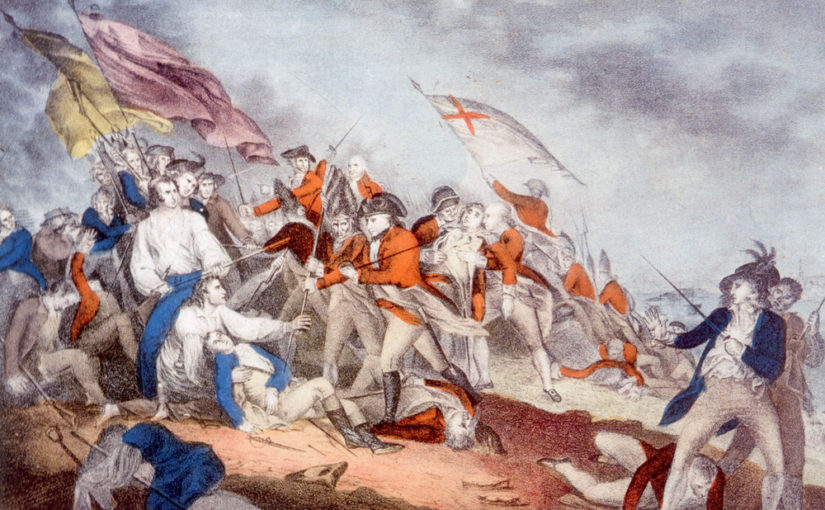
Bring the past to life with a well-written historical fiction book and take advantage of a huge market on Amazon. Learn how to combine your imagination with the authenticity of the time period to keep the story believable and engaging. With the right balance of research and creativity, you will have readers hooked on every page!

Ask for help from experts
Unfortunately for you, the internet isn’t the best resource for historical research, as it’s full of flawed information, particularly on periods of time that the author or webmaster won’t have been present for. Whilst of course it’s impossible to get everything spot on, you need to stay as authentic as possible. The best way to research is to ask for help from experts; be that professors, historians or those who have already written about a similar time or topic. Don’t be afraid to ask for advice – most of those who are passionate about an era will embrace the opportunity for it to continue to be promoted through more writing.

Stay true to reality when referring to real people
You’ll never know exactly what was said, done or thought by any individual on the planet other than yourself, so when writing about real people it’s natural that you’ll apply some artistic license. When you do reference real characters through your story you need to remain as reasonably responsible toward their persona as possible. Researching and referencing the who, what, when, where and why of a character can help you draw upon their voice and attitudes easily and reflect this through into your coverage of them.

Don’t judge different cultures and attitudes
There are many, many aspects of history that sit uncomfortably with today’s societal values. It can be difficult, therefore, to find some characters within your story likeable: and even more difficult to not judge them for it. It’s imperative that you remain neutral in your tone toward cultures and attitudes of the time you’re writing about, even if they don’t fit with your personal values and beliefs. If it was ‘how things were done then’, let it be so. It’s not your place as author to pass judgment.

Use a ‘historical note’ disclaimer at the end
There will always be someone who reads your book and finds it their place to draw attention to or question historical details written within it. Human nature dictates even the best of writers won’t manage perfect accuracy, but if you’re worried about the details or have used more poetic freedom than you expected, add in a short disclaimer at the back. Being honest about your ability and estimations is always the best policy – and you should never allow a small detail or two to get in the way of a damn good story!

Writing Tips for New Authors

Starting out in writing is exciting, and being an aspiring novelist is full of promise and ambition. However, as with all of life’s joys, the initial motivation can quickly turn to despair when you’re faced with a clean desk and a blank page. Writing fiction is complex, multi-layered, and ambitious. Yet, fret not, fellow writers! There are tips and tricks you can use in your writing to ease the journey from novice to published wordsmith, and squeeze out every drop of your inner creativity. This guide presents some easy practices to try out as you start on your literary adventures…

Open in a way that entices your reader

Your opening line and paragraph are what, for many, will justify them continuing to read your whole book. There’s a balance to be maintained here, between drawing readers in and sparking their interest, yet not giving everything away and overwhelming them. Your first few pages will likely be the most edited of your whole story, so don’t be afraid to go back and work and re-work them over and over again.

Don’t just write what you know

In fiction, it’s altogether unlikely that your reader will directly identify with every character, every situation, and every storyline that you pull together. Therefore, knowing a subject inside out may actually mean you’re in too deep – and instead, learning something new will allow you to explain and explore it better. Broadening your horizons and becoming educated on something new is required to develop not just yourself, but the stories you can tell, too.

Seek structure… at the end

While it’s easy to attack your manuscript with a well-thought-through plan for the structure and organisation, so much will change as your book progresses that it’s unlikely that it will stick to your schedule! Instead, work on your story’s structure once you’re nearing the end of the work so that you don’t feel you need to stuff it into a set pattern or method, and instead let it work in organically.

Keep on top of spelling, punctuation, grammar, and language rules and usage

Errors cause readers to stutter over a sentence, and possibly stop reading. Therefore, punctuation and spelling must be accurate to best represent the message you’re trying to convey, but grammar sometimes less so. If a sentence isn’t 100% grammatically accurate, but it really works, use it. Especially in dialogue. Like everything else, language evolves. It’s important that the language you use in your writing is relevant to the time period in which your book is set, relevant to those using it, and that it makes sense within the context it’s being used. Don’t be entirely confined by conventional language rules, but don’t abandon them, either. Even if your fiction is set in the present day or not too distant past, don’t get too hung up on technicalities – something you were taught during your education may already be out of date! Your work should be as readable as it is accurate. The most important thing is for your writing to be understood by the reader.